At Mercer University School of Medicine’s Center for IDD Care, we’re dedicated to providing compassionate, comprehensive outpatient health services for adults with intellectual and developmental disabilities (IDD). Our mission is simple: to meet the unique and complex health care needs of this patient population while empowering them to live healthier, fuller lives.
Located in the heart of Macon, our 34,000-square-foot facility is more than just a medical center—it’s a place of hope, healing and innovation. Here, we offer a wide range of services, from primary care and therapy to audiology and beyond, all tailored to the specific needs of individuals with IDD. These services aren’t just about treating conditions; they’re about supporting the whole person.
A partnership for progress
In collaboration with the Georgia Department of Behavioral Health and Developmental Disabilities (DBHDD), we’re proud to be part of a groundbreaking effort to expand access to specialized care across Georgia. As Commissioner Kevin Tanner put it, “Through this innovative partnership, we are not only meeting urgent needs today, but also building a stronger, better-trained workforce for tomorrow.”
Our center is designed to be a model for care, showing how integrated, patient-centered services can make a real difference. By working with local and state health care experts, we’re not just treating patients—we’re shaping the future of IDD care in Georgia.
More than medicine
Beyond clinical services, the Center for IDD Care serves as a hub for education and research. Mercer will train medical students, physicians and allied health professionals in the specialized skills needed to care for this population—developing future experts and leaders in IDD care. This training will be especially vital in rural communities where access to specialized care remains limited.
Meet our medical director
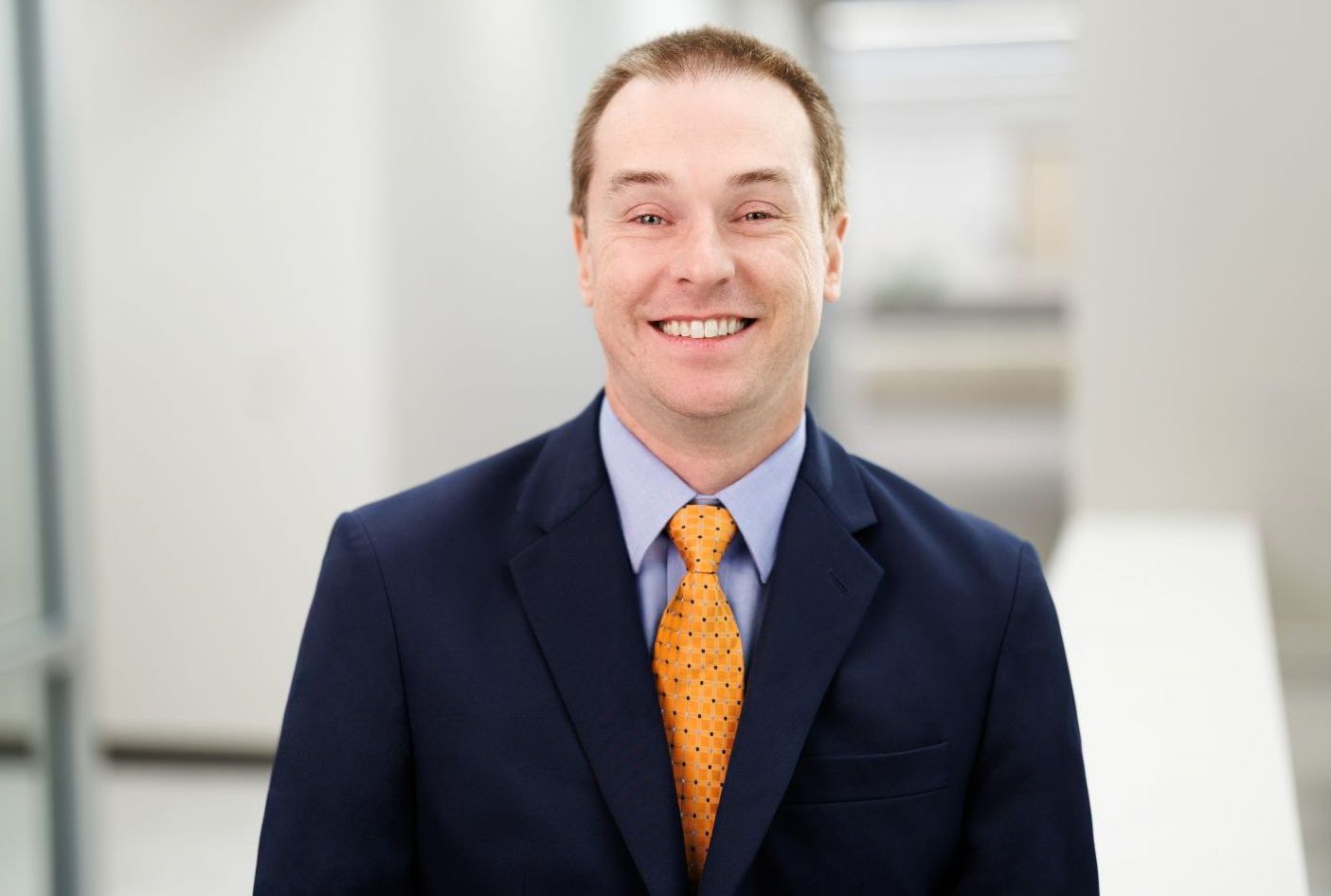
Jonathan Smith, MD, MBA, FACP, FAAP, leads our team with a passion for providing holistic, patient-centered care. A Mercer University School of Medicine graduate, Dr. Smith is board-certified in internal medicine and pediatrics. With years of experience in both clinical practice and medical education, he’s committed to ensuring that every patient is seen as more than their diagnosis.
“Our goal is to treat the whole person,” Dr. Smith said. “Too often, patients with IDD are seen only through the lens of their disability. But like any adult, they face a range of health concerns—from hypertension and diabetes to behavioral health challenges—that require attentive, specialized care.”